
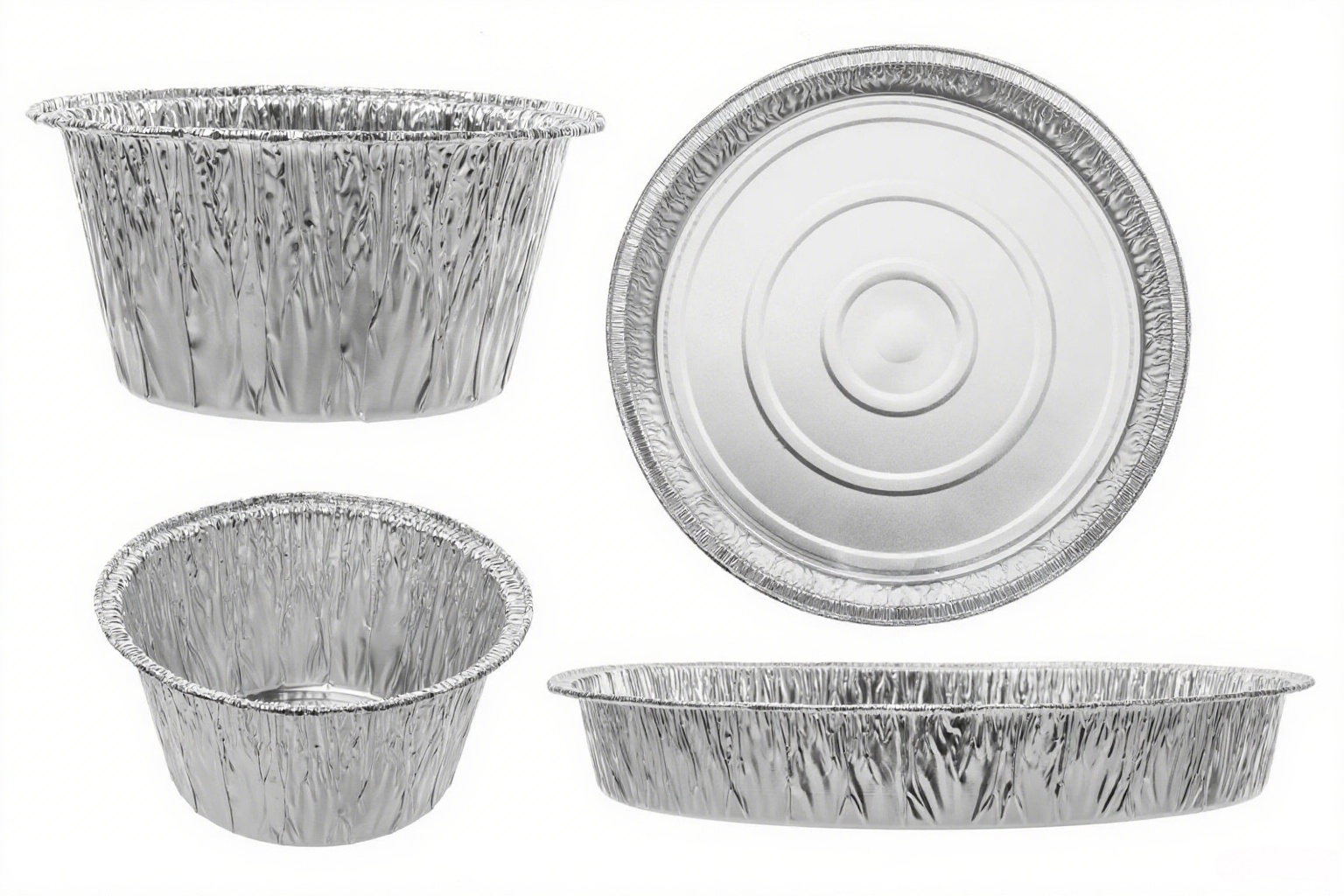
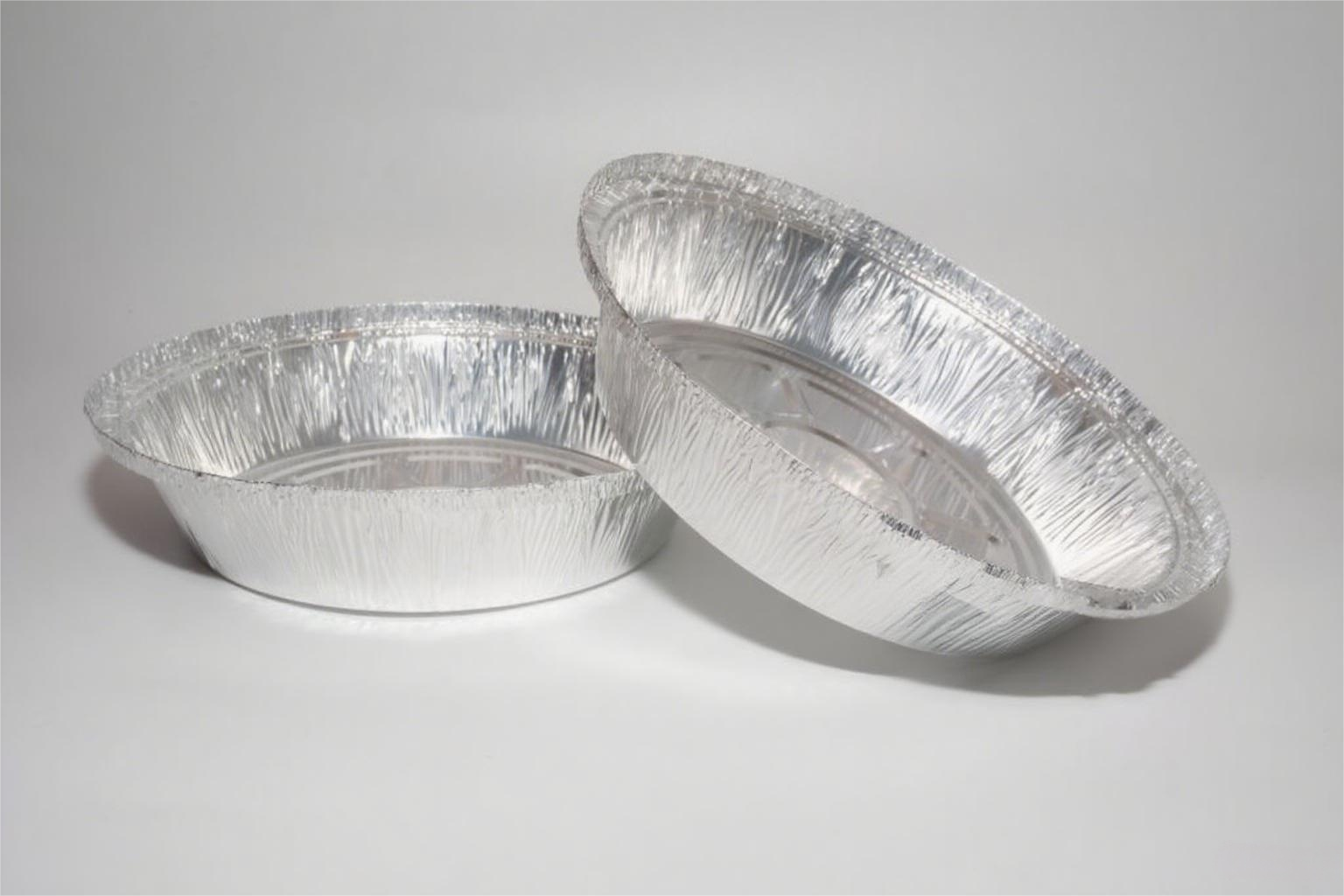
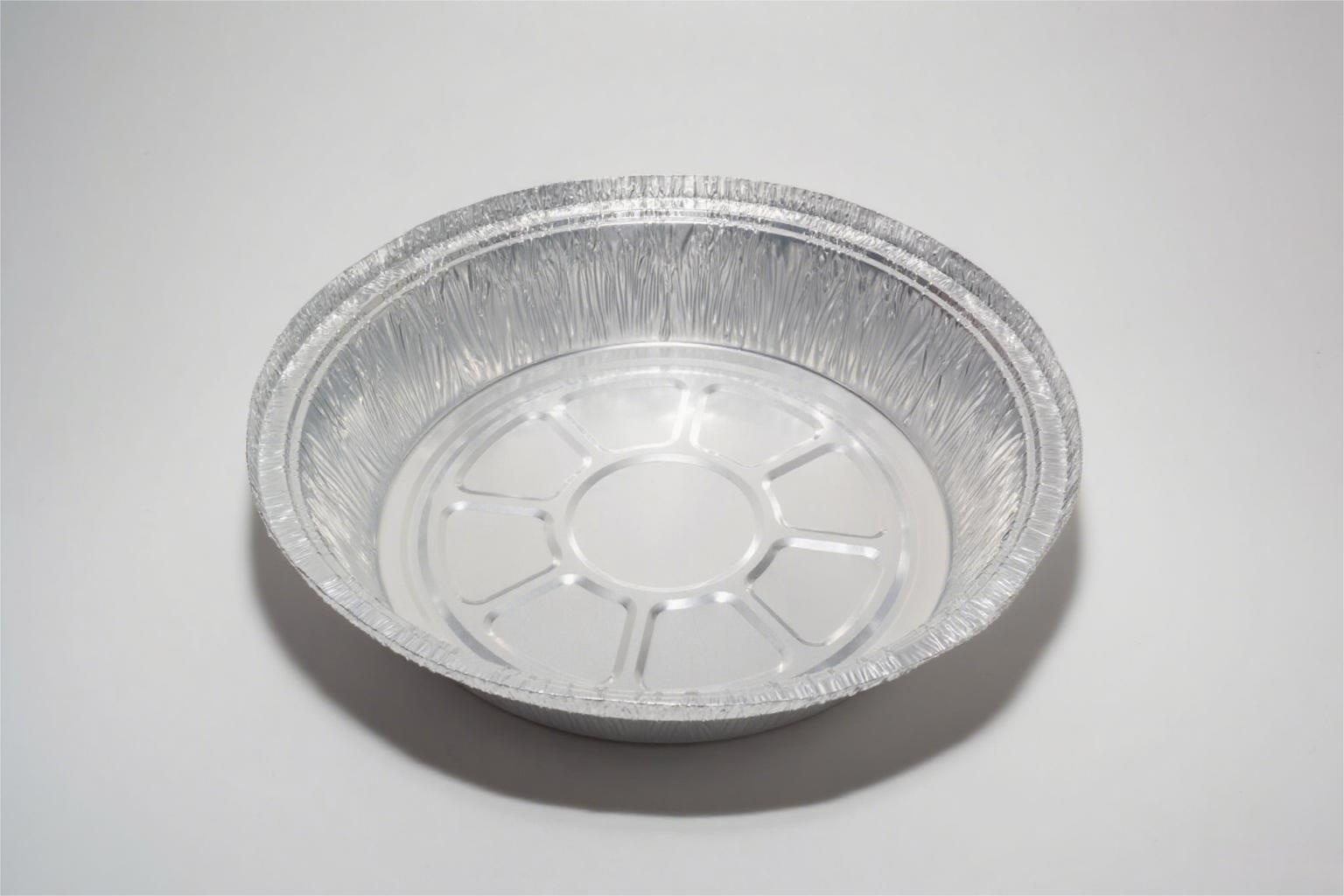
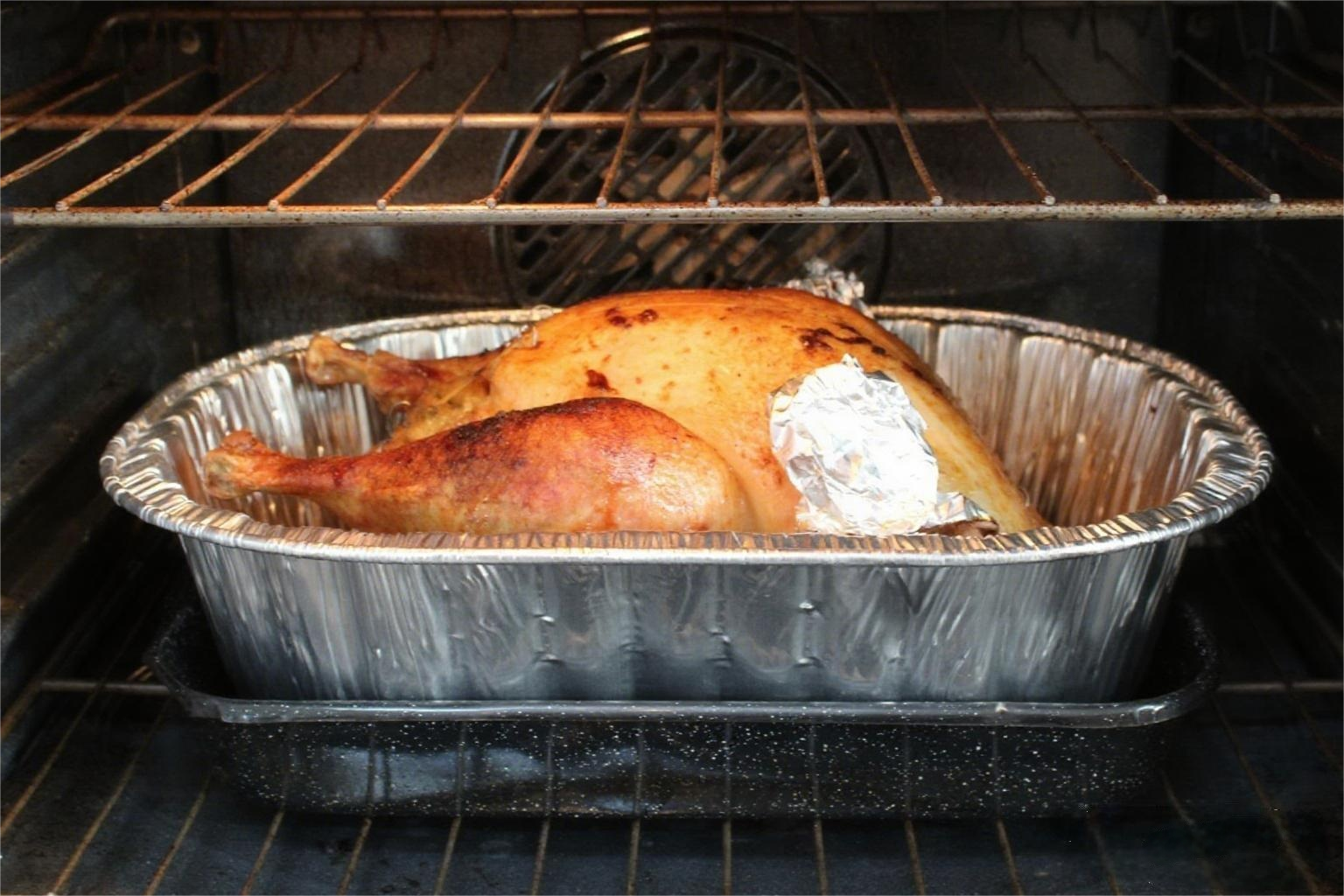
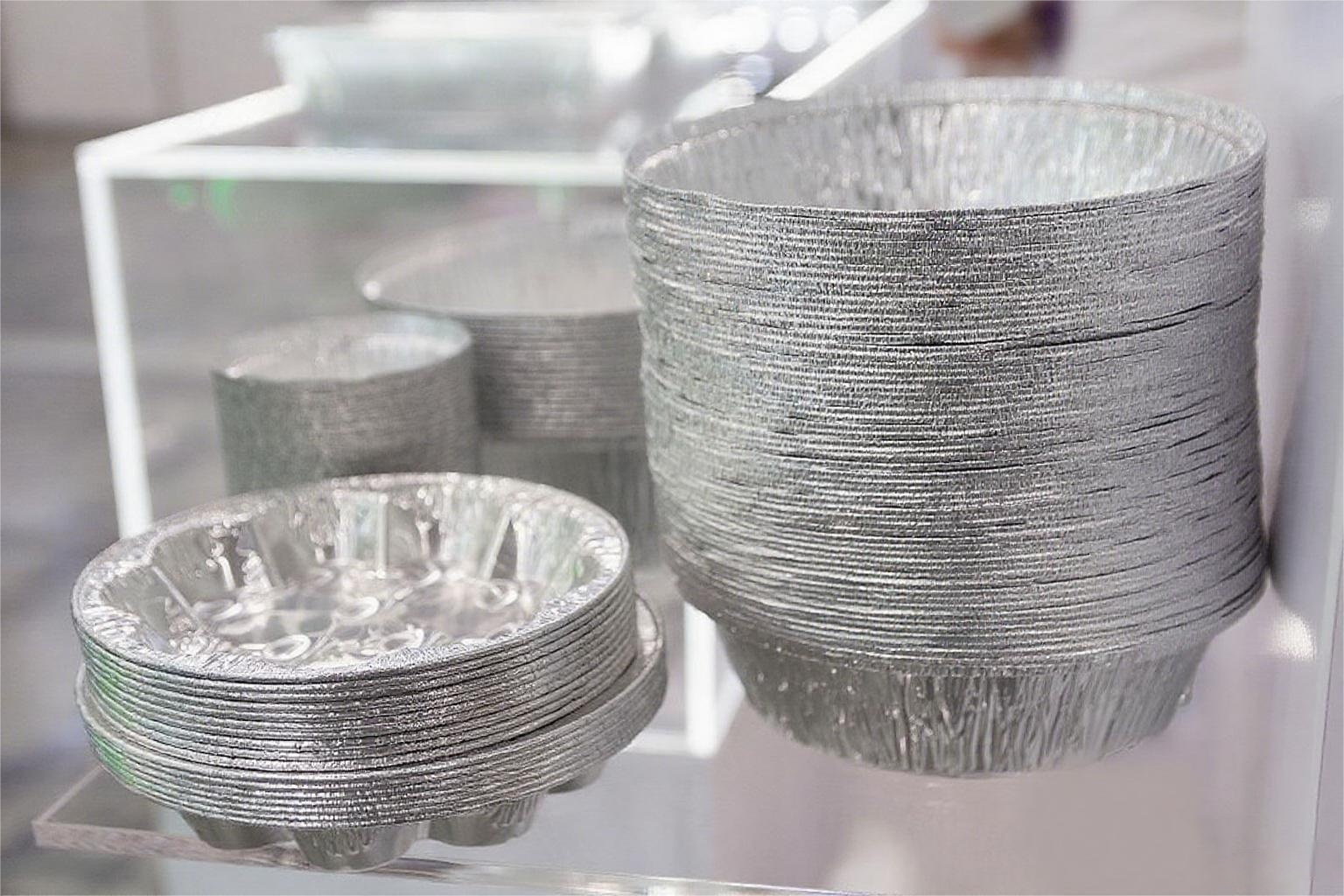
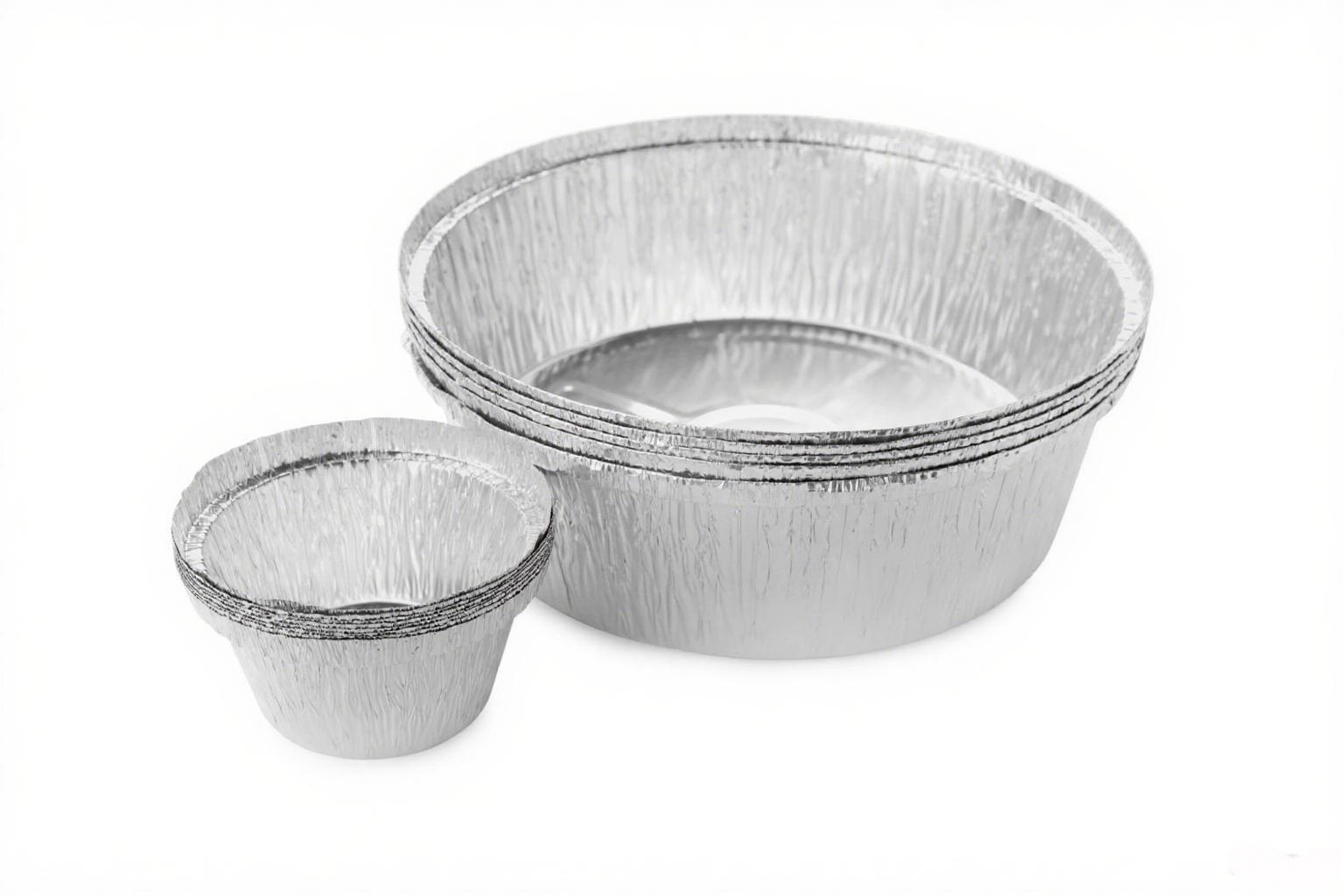
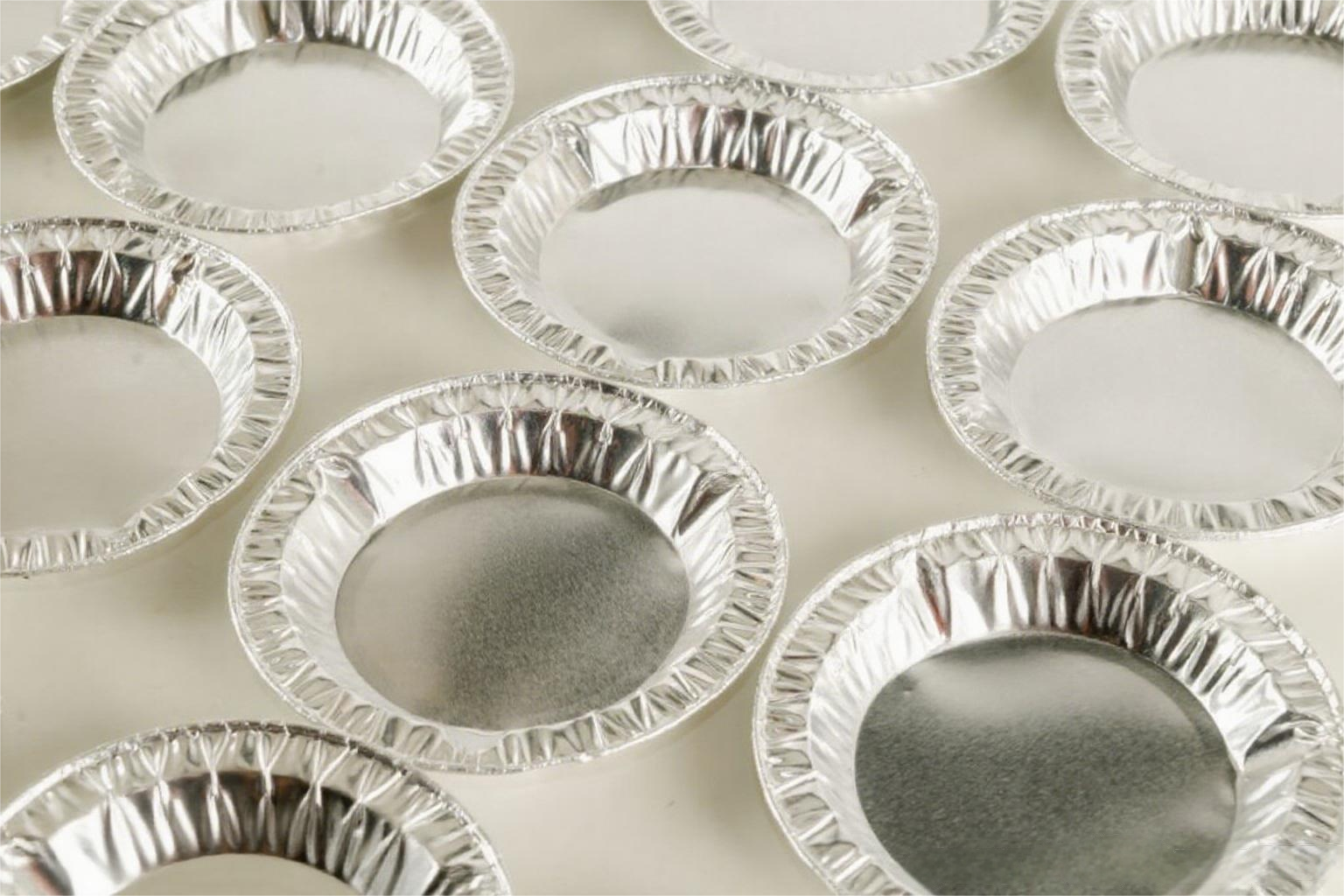
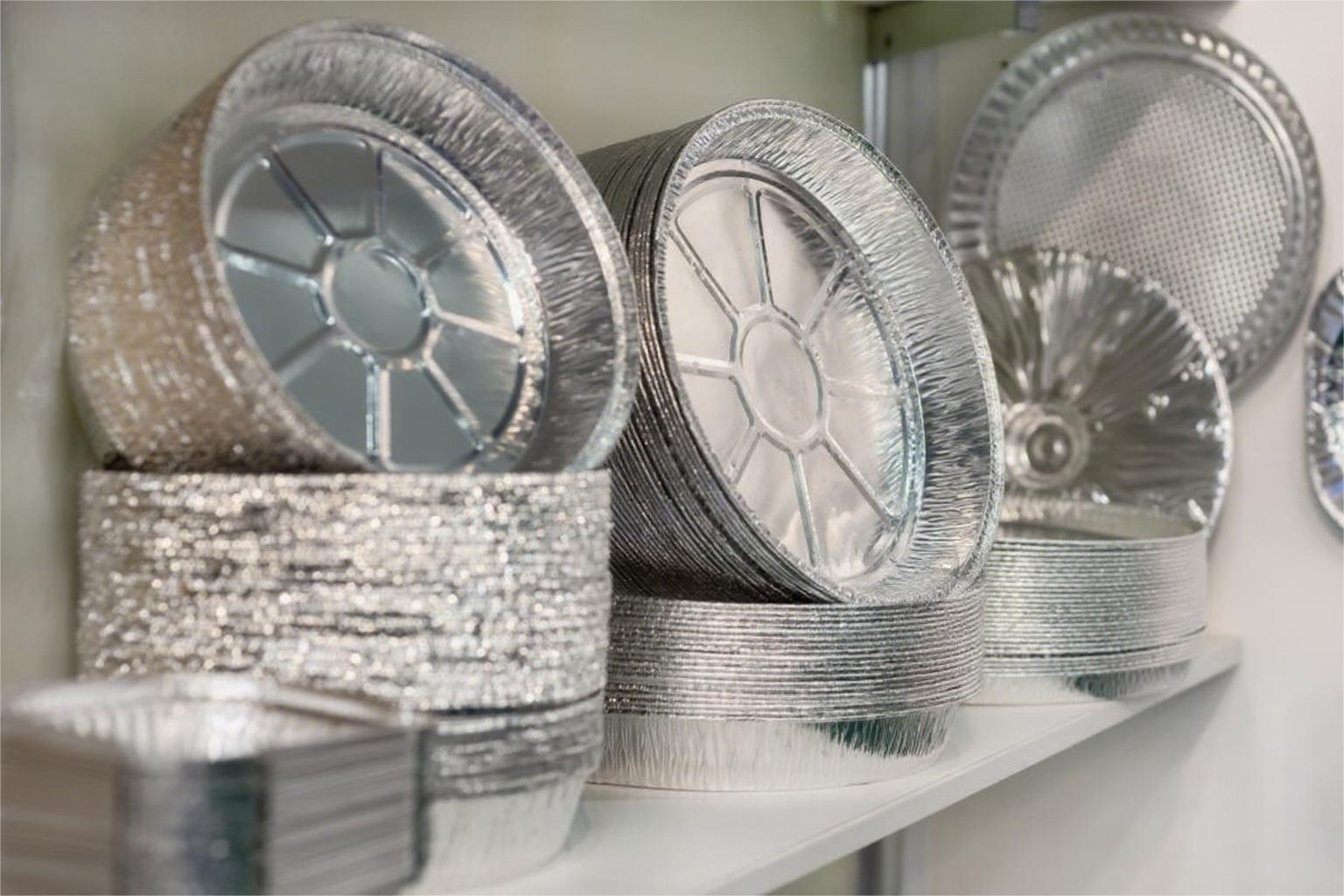

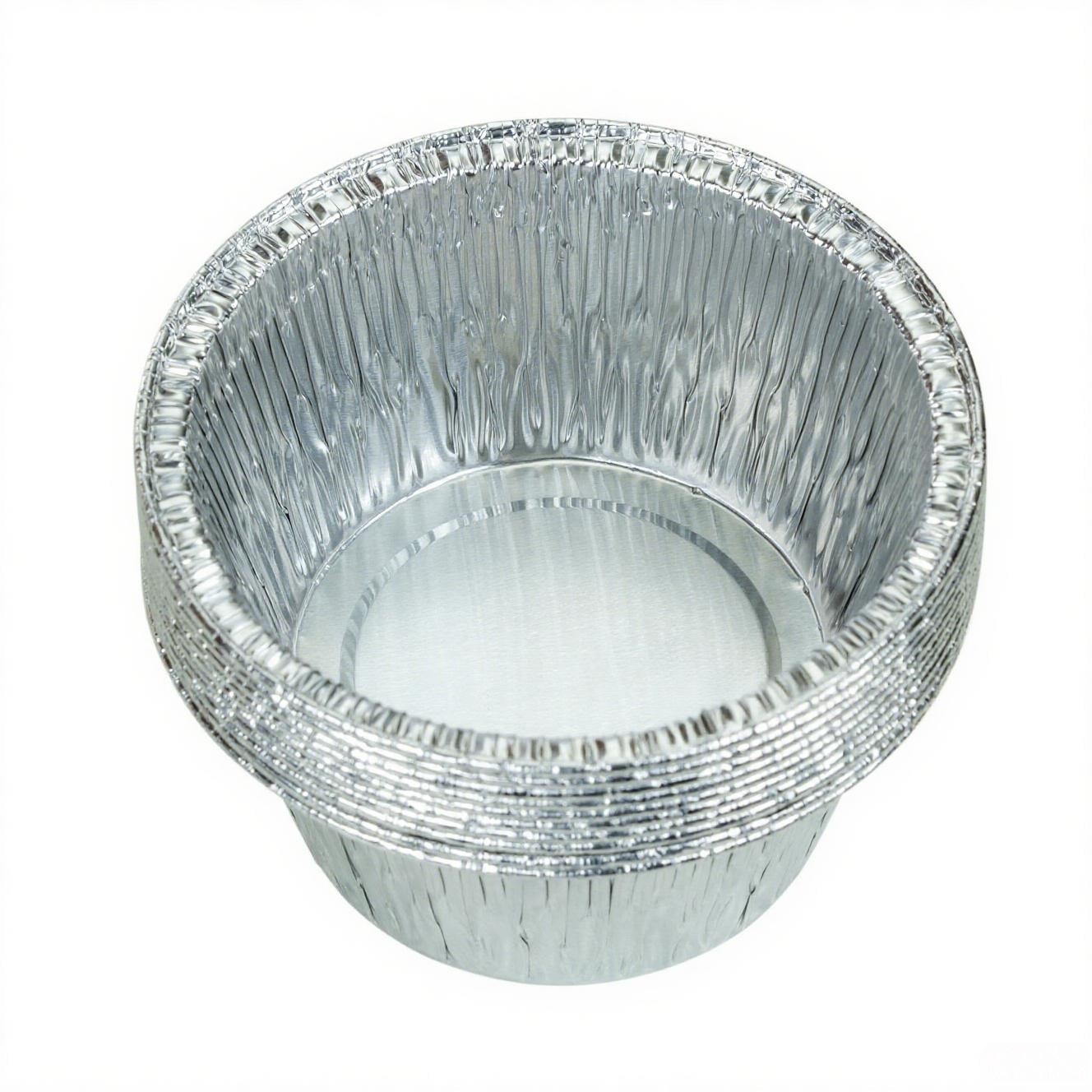
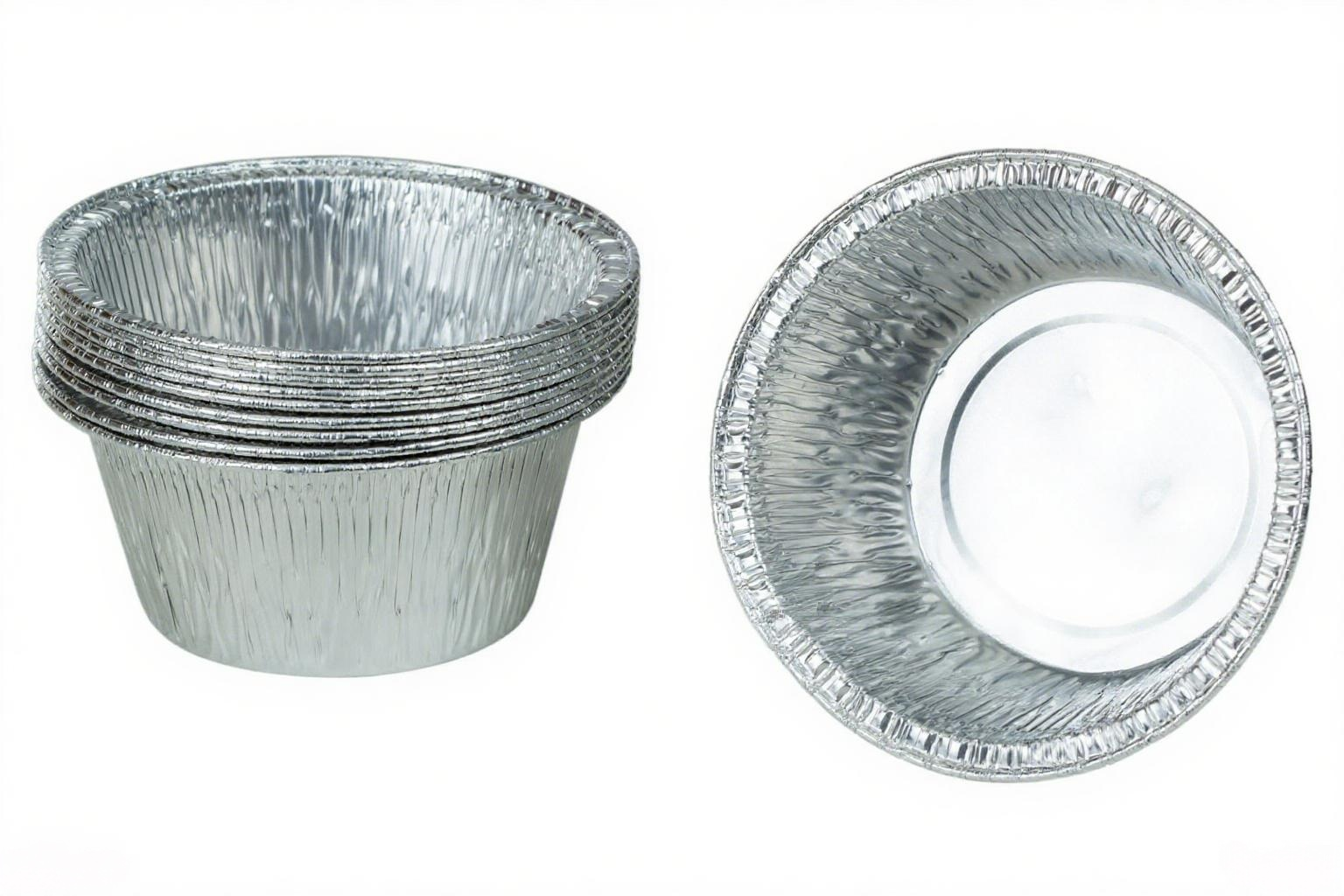
Round aluminum foil trays are one of the most versatile kitchen food storage and cooking tools. Their circular shape allows them to be stacked or nested together for efficient storage in the refrigerator or freezer. This makes great for prepping and portioning out snacks, sides, or leftovers. The lightweight aluminum construction ensures that they don’t take up much space, whether in the fridge or in a lunch bag. This material makes them microwave, oven, and freezer safe making them suitable for reheating or baking dishes directly on the tray.
Aside from storage and reheating, small aluminium foil trays can be used for baking and even grilling. Their oven safety of up to 400 degrees Fahrenheit means they translate well to ovens for things like roasting vegetables or meat. The folded edges contain material and also allow heat to circulate. For grilling season, trays provide an easy way to carry ingredients to the barbecue without plating them. Seafood, vegetables or kebabs can be arranged on the tray and then positioned directly on the grate while cooking.
Overall, small aluminium foil trays offer a versatile solution for both cooking and food storage. Their versatile shape and temperature resistance make them very convenient for everything from food prep to snacks to grilled dishes. They take up minimal space but add convenience when managing leftovers, packing lunches or carrying dishes to the oven, grill or picnic.
The small aluminium foil trays starts the journey from the large aluminum coil. The coils first go through an annealing process where they are heated and cooled to soften the metal. The coils are then fed into a press machine where the aluminum is stamped into the shape of a tray. The dies ensure that the trays come out in a series of circular motions. After stamping, the trays undergo a cleaning process to remove handling oils and fingerp